Jan Woodcock’s Collection
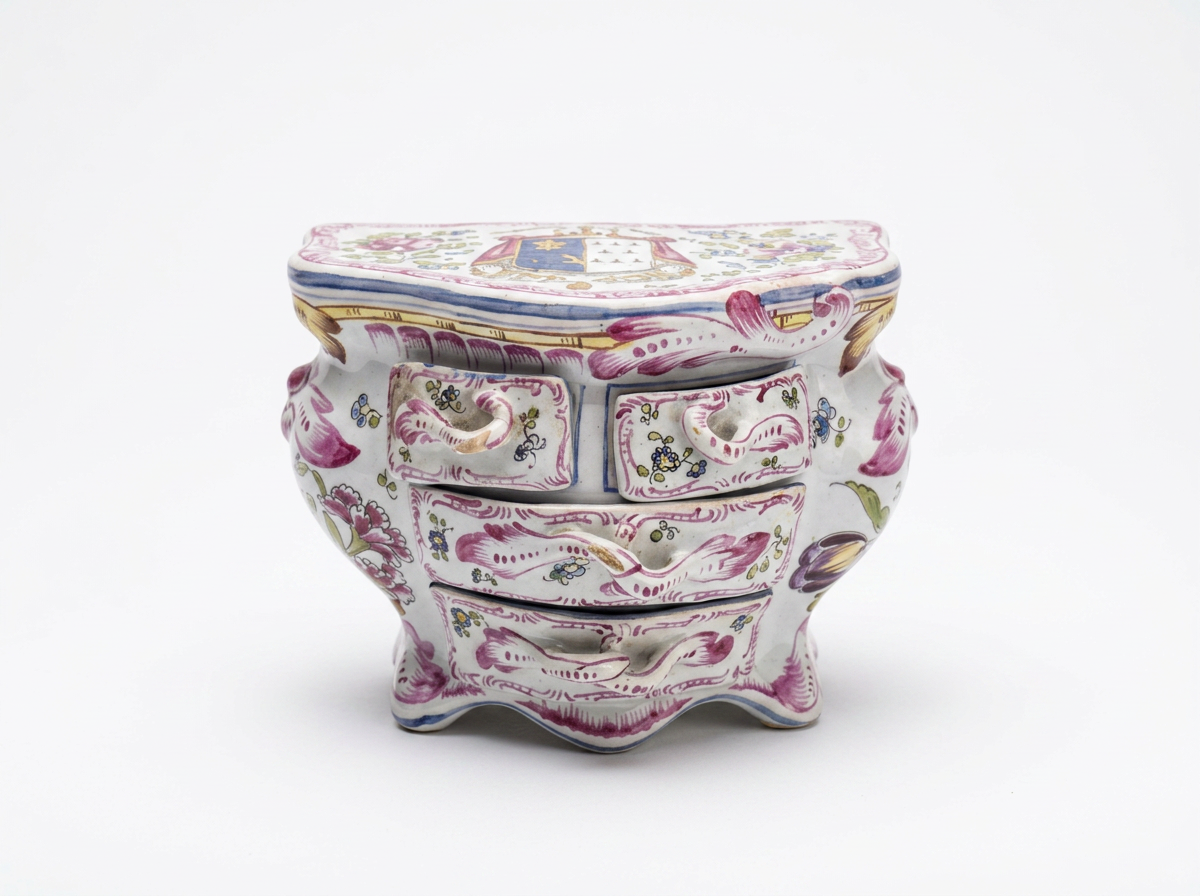
A rare mid-18th-century faience piece from the Strasbourg factory under the direction of Paul Hannong, featuring the vibrant "petit feu" floral decorations that defined French Rococo ceramics.
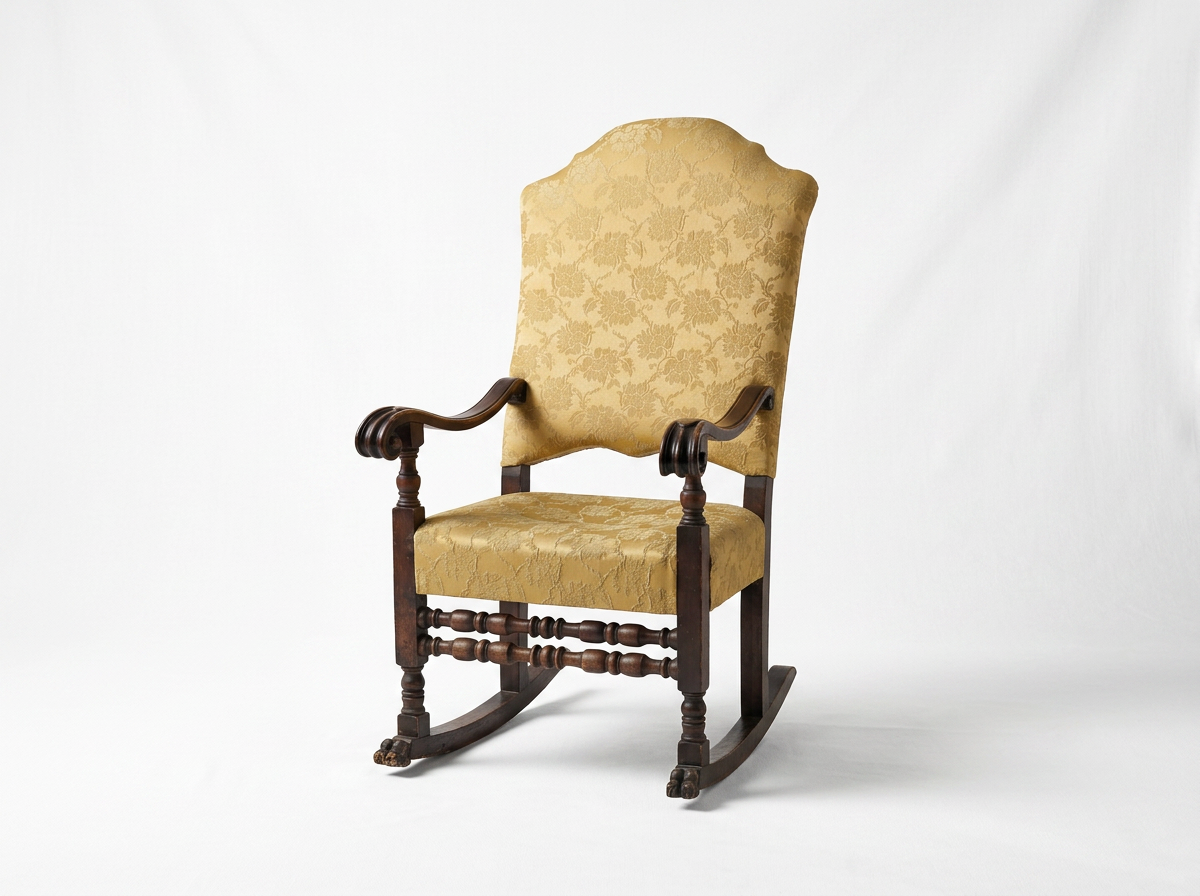
This stately Jacobean style armchair is a prime example of 17th-century English design, expertly crafted from solid oak or walnut. It features a signature tall back, ornate carvings, and elegant scrolled arms ending in distinctive lion feet.
Historically, these heavy, ornate chairs were "seats of honor" in noble households, designed to showcase the status and wealth of the owner. A perfect anchor piece for any English Tudor or Traditional interior.
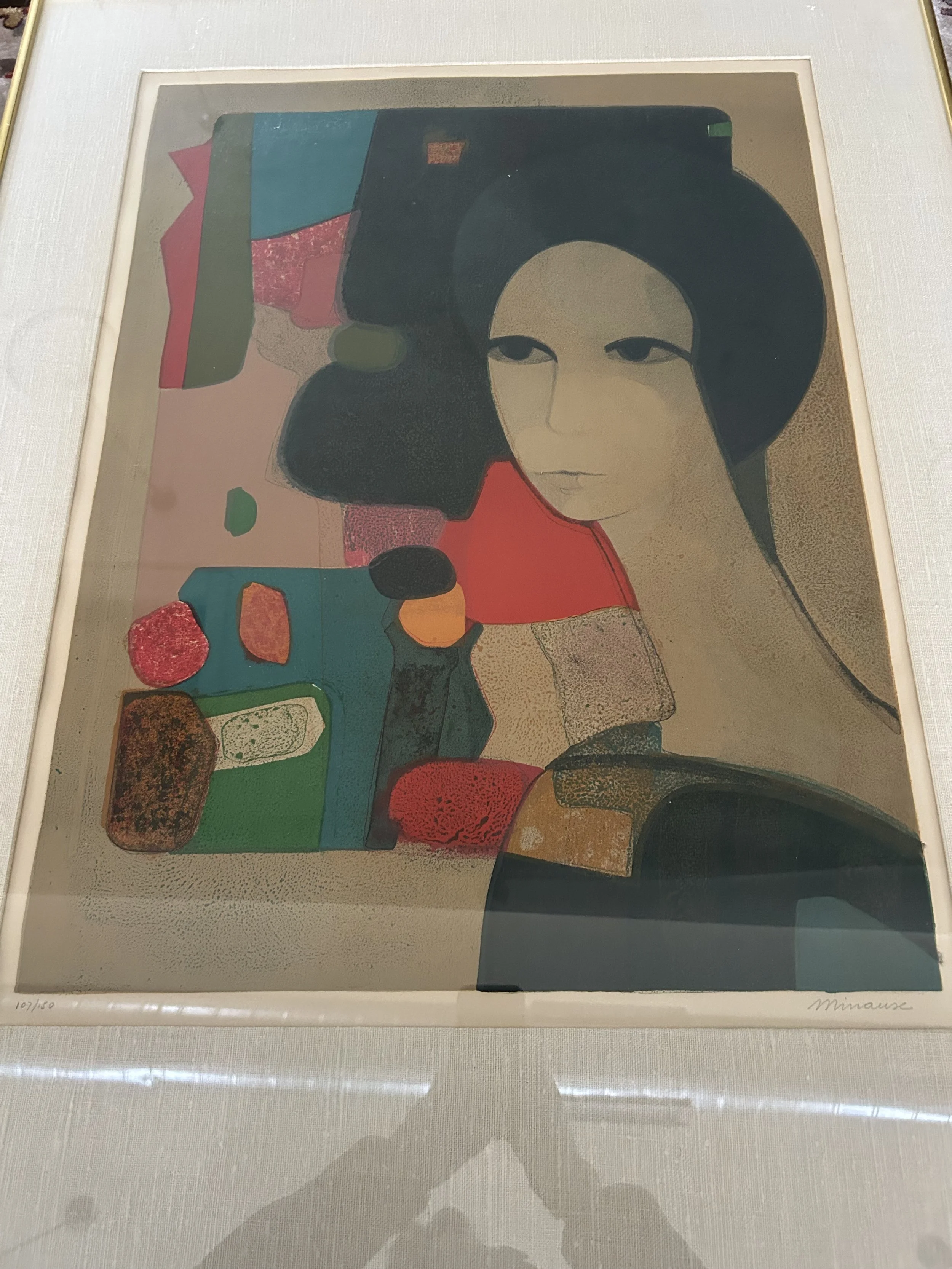
This authentic 27” x 20” original lithograph by renowned French artist André Minaux (1923-1986) is a stunning example of post-war Modernist art. Titled "Avignonnaise" (or "Tete Brune"), this limited-edition piece (#107/150) showcases Minaux’s signature Cubist-influenced style through a beautifully abstracted portrait of a woman.
Minaux was a leading figure of the "La Jeune Peinture" movement in Paris, which sought to return to figurative art after the dominance of pure abstraction. Legend has it that Minaux was so committed to capturing the "solidity" of his subjects that he often ground his own pigments to ensure his colors had a raw, earthy permanence that would stand the test of time.
Key Features:
Artist: André Minaux (French, 1923-1986)
Title: "Avignonnaise" / "Tete Brune"
Medium: Original Lithograph, Edition #107/150
Dimensions: 27” x 20”
Style: Modernist / Cubist-influenced Figurative
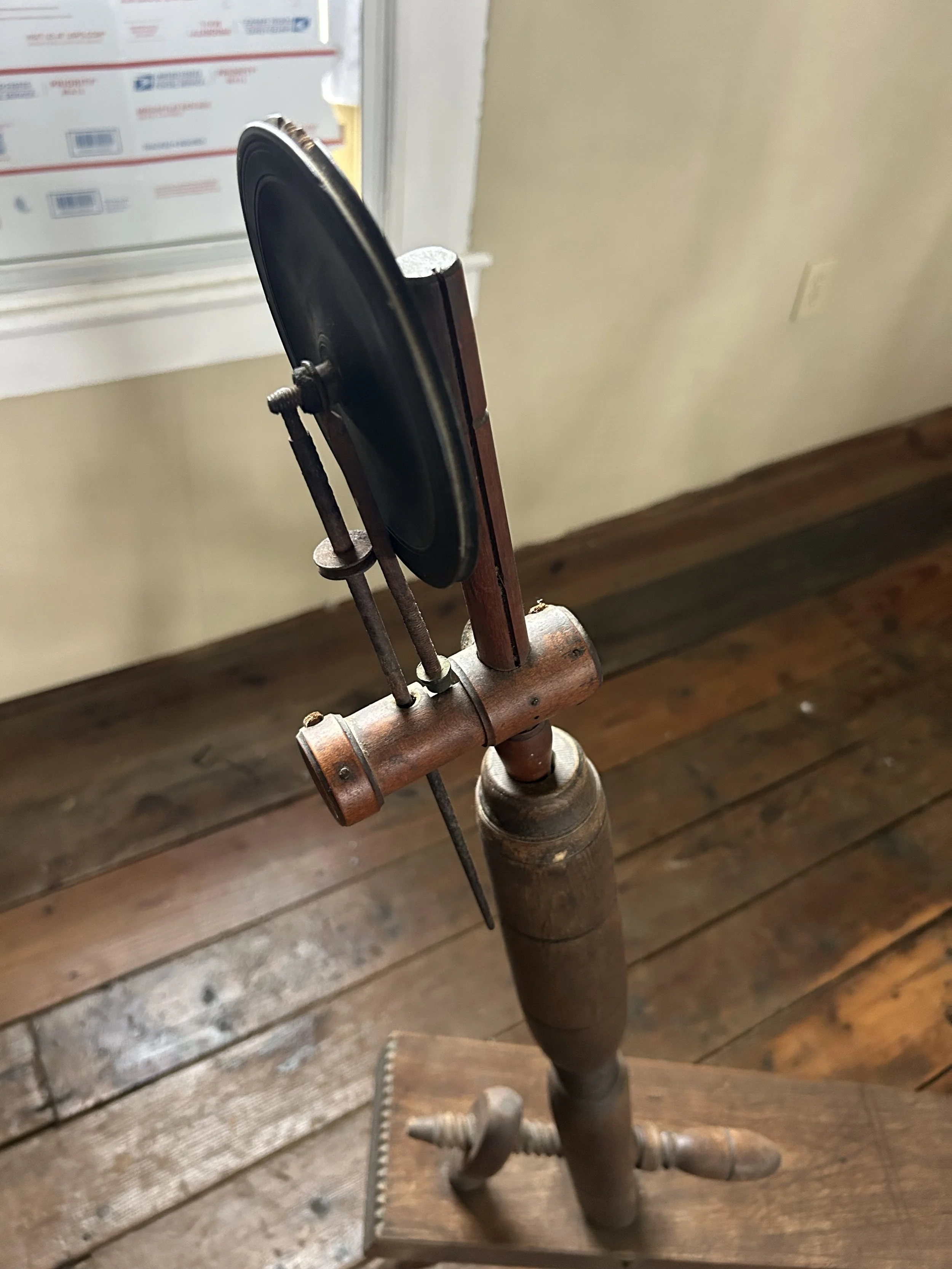
This authentic Great Wheel was the heartbeat of colonial American homes, used to spin wool into homespun cloth. It remains in excellent condition, complete with its original bench, legs, and spindle.
Historically, these wheels were operated by unmarried women who would walk several miles a day just by pacing back and forth to spin the yarn. This labor-intensive work became so closely associated with single women that the legal term for an unmarried woman became "spinster".
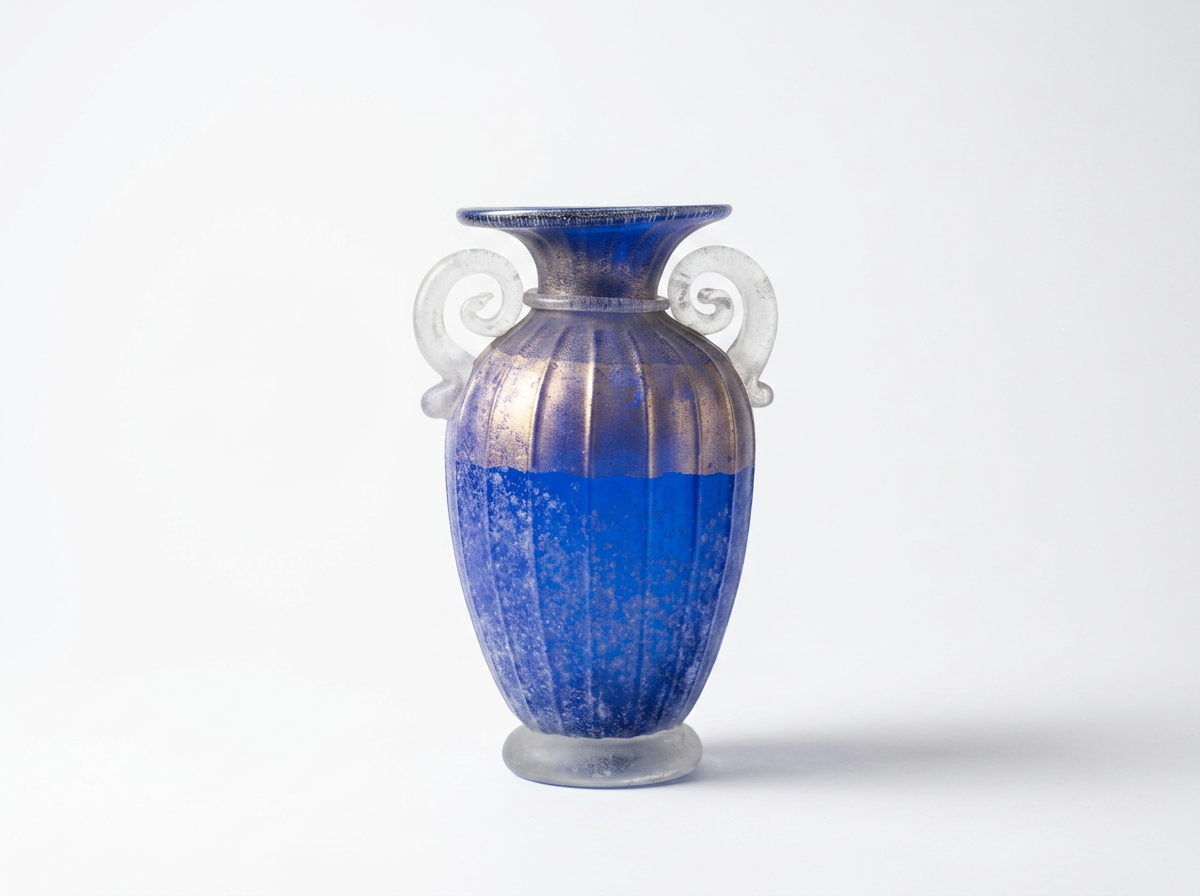
This stunning 9” tall amphora-shaped vase is a masterwork of mid-century Italian design. Hand-blown in Murano, Italy, it features a vibrant cobalt blue body with elegant gold inclusions and clear scrolled handles.
The piece is crafted using the celebrated scavo (excavated) technique, which applies a frosted, textured finish to the glass. This process creates an authentic, archaeological aesthetic that mimics the appearance of ancient Roman treasures found in excavation sites.
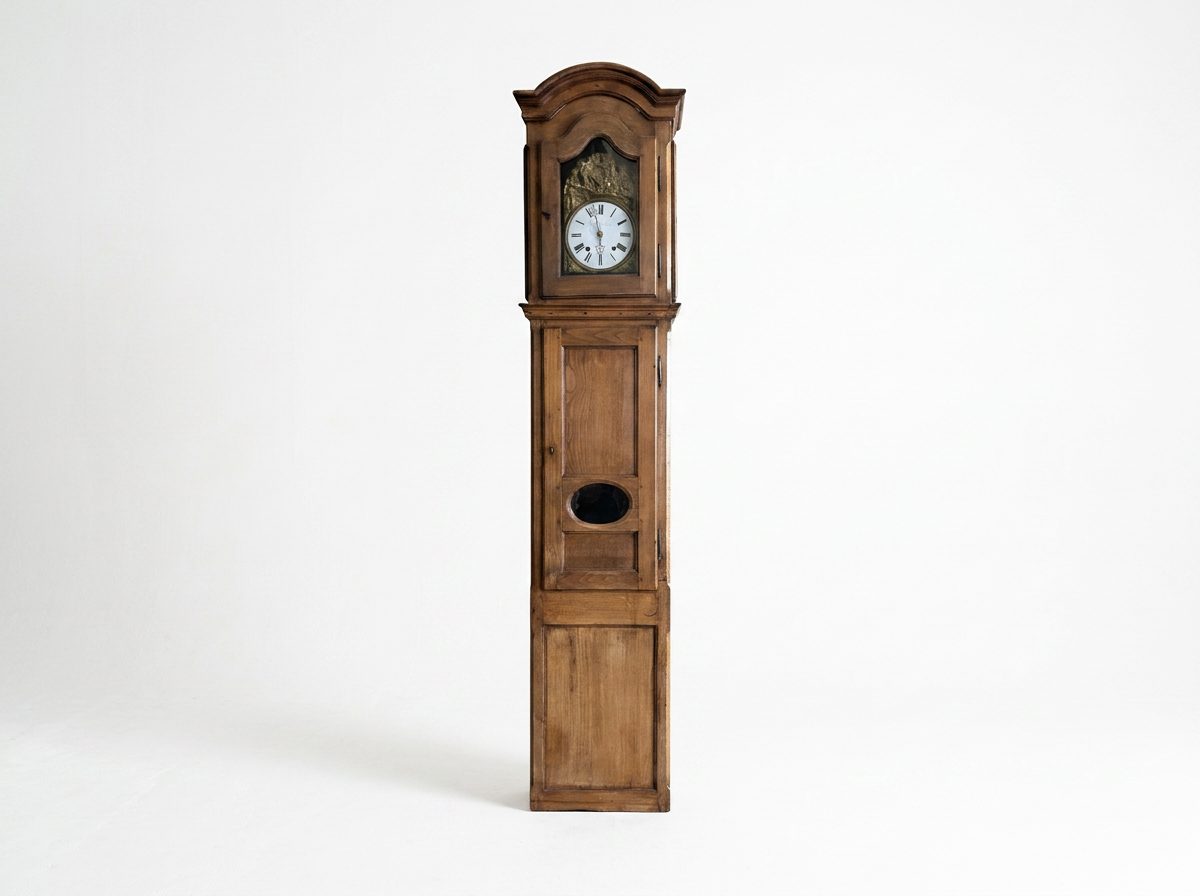
This authentic Morbier clock (or horloge de parquet) features the classic glass-door design of the Jura mountain region. Known as the "heartbeat of the French home," these clocks were famous for their double-strike movement—striking the hour twice so busy farmers in the fields wouldn't miss the time. A beautiful, functional piece of 19th-century folk art.
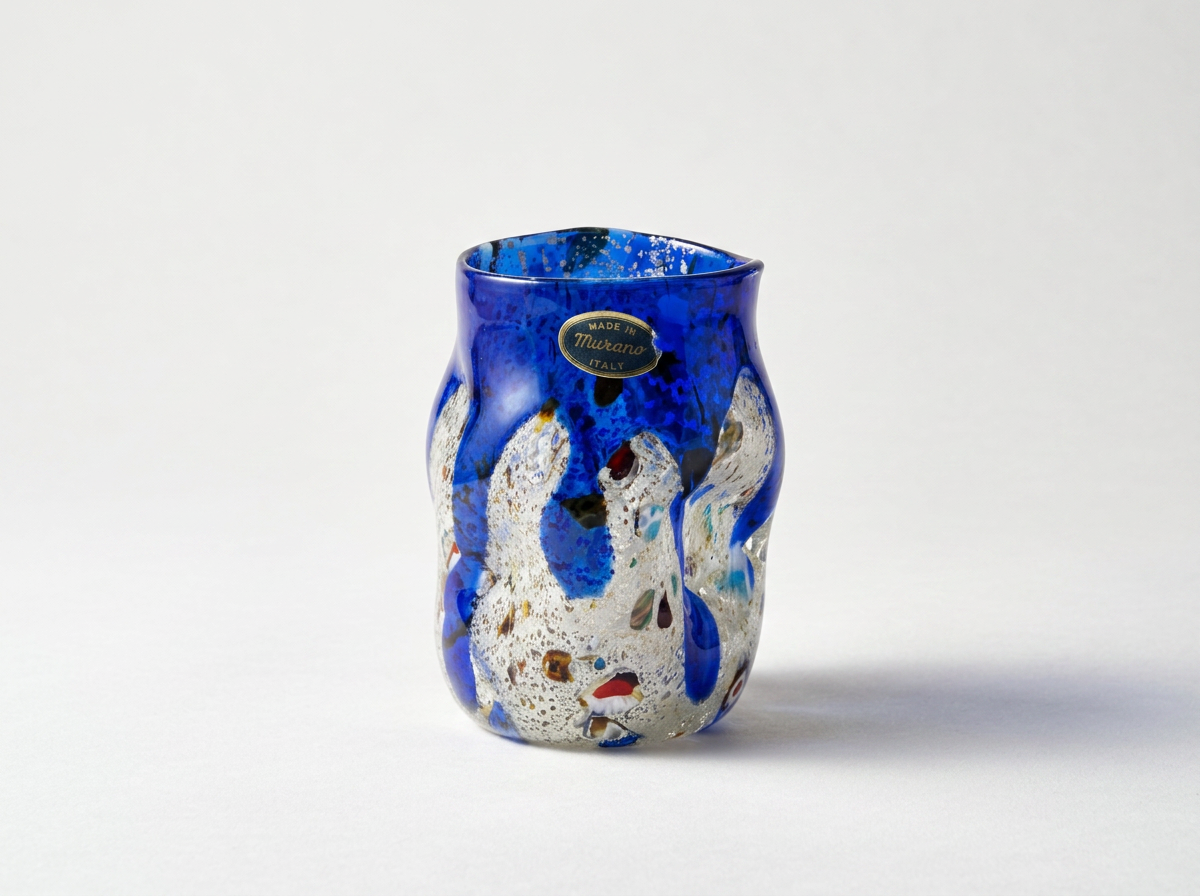
This vibrant 5” hand-blown vase is an authentic piece of Italian craftsmanship, featuring a striking cobalt blue body with a multi-colored "confetti" or speckled design. Each piece is unique, with a genuine "Made in Murano Italy" sticker confirming its heritage.
The artisans of Murano were so vital to the Venetian economy that they were once forbidden from leaving the island under penalty of death—a strict measure taken to protect the secret "recipes" of their world-renowned vibrant colors and glass techniques.
Don’t Miss Out
Sign up with your email address to receive news and updates.